How to Start Hiking: A Complete Beginner’s Guide
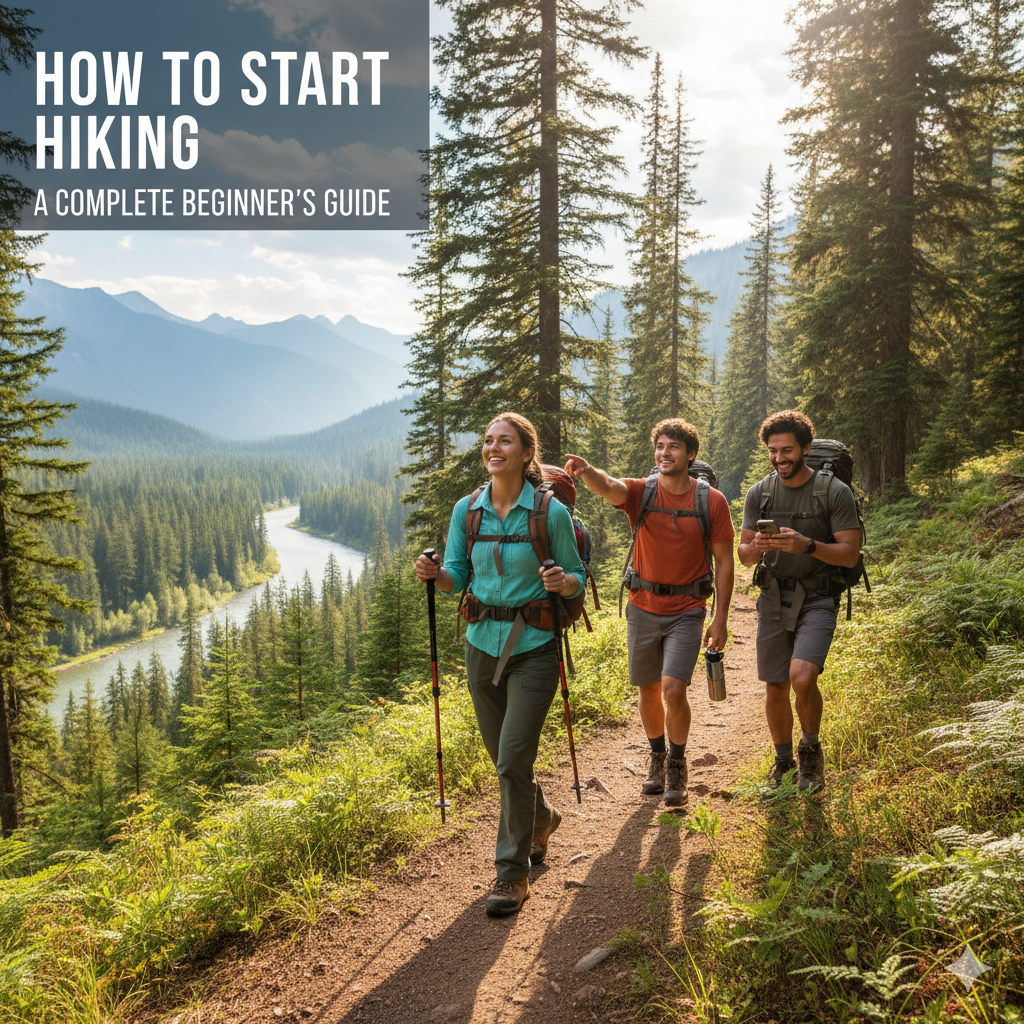
how to start hiking
Starting a new outdoor activity often raises questions, concerns, and excitement at the same time. Hiking is one of the simplest ways to step into nature, yet for beginners it can feel confusing: which trail to choose, what gear to carry, and how much physical fitness is required. If you have been wondering how to start hiking, this guide will walk you through every step with practical tips, tested approaches, and structured knowledge. Whether your goal is short weekend trails or a long-term outdoor lifestyle, you will find everything you need here.
Why Choose Hiking as a First Outdoor Activity
Hiking stands out because it is accessible to nearly everyone. Unlike specialized sports that require lessons or expensive equipment, hiking only requires comfortable shoes, some planning, and an understanding of safety basics. Walking in nature not only builds physical stamina but also strengthens mental resilience. Many beginners ask how to start hiking as a hobby, and the reason it becomes a sustainable hobby is because it blends exercise with exploration. Once you learn how to plan your hikes, it can easily become part of your weekly or monthly routine without demanding major financial investment.
Assessing Your Starting Point
Before you plan your first hike, it is important to honestly evaluate your current health and fitness. Many people ask how to start hiking when out of shape, and the truth is that hiking can be customized to your ability level. If you haven’t been active, start with flat trails that are short in distance. Even a one-mile walk in a nearby park counts as hiking if you approach it with the right mindset. Those who already exercise can gradually move to moderate trails with small elevation gain. Remember, your starting point is less important than your consistency. Hiking rewards patience, not speed.
Choosing the Right Trail
The foundation of learning how to get started hiking lies in trail selection. Beginners often make the mistake of picking challenging hikes that look attractive online. Instead, use trail apps, local park websites, or community hiking groups to identify easy routes. Look for the following features when selecting a beginner trail:
- Distance under 3 to 5 kilometers (2 to 3 miles)
- Elevation gain less than 150 meters (500 feet)
- Well-marked path with frequent signage
- Proximity to city or easily accessible by road
- Presence of resting spots such as benches or clearings
A well-chosen trail ensures your first experience is enjoyable and motivates you to hike again.
Essential Gear for New Hikers
Hiking requires far less equipment than most outdoor sports, but some essentials cannot be skipped. If you are focusing on how to start hiking as a hobby, investing in the right gear at the beginning saves discomfort later. Below are the must-have items for your first few hikes:
- Sturdy shoes or trail runners with good grip
- Lightweight backpack with water bottle compartment
- Water (minimum 1 liter for short hikes, more for longer trails)
- Comfortable clothing in breathable fabrics
- Hat, sunscreen, and sunglasses for sun protection
- Simple first-aid kit with bandages and antiseptic wipes
- Trail snacks such as nuts, fruit, or energy bars
- Fully charged phone and offline map if available
You do not need expensive technical gear at the start. Once hiking becomes regular, you may explore trekking poles, hydration bladders, or advanced shoes.
Preparing Physically and Mentally
When people search how to start hiking when out of shape, the biggest obstacle is mental fear rather than physical limits. Here are ways to prepare both body and mind:
- Begin walking daily in your neighborhood to build stamina
- Practice carrying a small backpack with light weight
- Stretch before and after walks to avoid muscle stiffness
- Focus on steady pace rather than speed
- Remind yourself that rest breaks are part of hiking, not a failure
Mental preparation matters as much as physical readiness. Expect ups and downs, accept slower progress, and celebrate each completed trail as a success.
Building Hiking as a Sustainable Hobby
Turning hiking into a consistent part of life answers the question of how to start hiking as a hobby. Habits form when you combine planning with enjoyment. Start by scheduling hikes on weekends, gradually increasing frequency. Join local hiking clubs or online communities where beginners share experiences. Keep a small journal or digital log of your hikes, noting distance, difficulty, and how you felt. This record builds motivation over time and shows progress in stamina and confidence.
Safety Principles for First-Time Hikers
Every outdoor activity involves risk, but safety measures reduce those risks significantly. Anyone researching how to get started hiking must learn these basic rules:
- Inform a friend or family member about your hiking plan and expected return time
- Stick to marked trails and avoid shortcuts
- Carry more water than you think you need
- Do not hike alone in remote areas during your initial attempts
- Check weather forecasts before leaving
- Carry identification and some cash
- Learn to identify basic trail markers and follow them carefully
Following these principles ensures your early hikes remain safe, giving you confidence to explore more trails later.
Nutrition and Hydration Tips
Hydration is the most underestimated part of hiking. Even a short 2-mile trail can dehydrate you if the weather is hot. Carry at least one liter of water for every two hours of hiking. Snacks that combine carbohydrates and protein provide sustained energy. Avoid heavy meals before a hike; instead, eat something light and balanced. If you plan long hikes later, research electrolyte replacements to prevent fatigue.
Hiking with Friends or Solo
When beginners ask how to start hiking, one follow-up question is whether to hike alone or with others. Hiking with friends or family is recommended at the start because it reduces anxiety and provides safety. Once you have some experience, solo hiking can be rewarding if you choose safe trails. Group hikes also allow you to learn from others about pacing, navigation, and gear management.
Handling Common Beginner Challenges
It is natural to face hurdles in your first few hikes. Knowing how to manage them makes the journey smoother:
- Shortness of breath: slow your pace, rest often, and increase endurance gradually
- Blisters: wear moisture-wicking socks and break in shoes before long hikes
- Feeling lost: always carry a digital map and pay attention to trail markers
- Fatigue: take frequent small breaks rather than one long stop
Understanding these challenges prepares you mentally and prevents discouragement.
Progressing Beyond Beginner Level
Once you gain confidence, you can expand your horizons. Many start with short trails but later ask how to start hiking as a hobby more seriously by moving into backpacking or overnight hikes. At this stage, you can invest in:
- Trekking poles for better balance
- Hiking boots with ankle support
- Lightweight tent or sleeping bag for multi-day trips
- Navigation tools like compass or GPS devices
Progress is personal. Some hikers remain happy with day hikes for years, while others move to long expeditions. Both approaches are equally valid.
Mental Benefits of Hiking
Besides physical improvement, hiking provides a deeper sense of clarity. Being outdoors reduces stress, enhances creativity, and improves mood. People struggling with routine often ask how to start hiking when out of shape because they sense the psychological need more than the physical one. Starting small, being patient, and focusing on the enjoyment of nature helps transform hiking into a therapy as much as a hobby.
Combining Hiking with Other Goals
Hiking can easily merge with other interests:
- Photography: nature landscapes provide endless opportunities
- Fitness: hiking is an excellent cardio workout without gym machines
- Social connections: hiking groups create lasting friendships
- Environmental awareness: time in nature increases respect for conservation
This flexibility is why learning how to get started hiking can enhance multiple aspects of life beyond exercise.
Checklist Before Every Hike
To simplify preparation, use this quick checklist each time you head out:
- Shoes, backpack, and water packed
- Snacks ready and balanced
- Trail map downloaded or printed
- Phone fully charged
- Weather checked
- Friend/family informed of your plan
- Emergency contacts accessible
Consistency with this checklist will eventually make preparation effortless.
Final Thoughts
For anyone unsure how to start hiking, the path begins with one simple step: plan a short, easy trail and walk it at your own pace. Do not compare your journey to advanced hikers. Focus on steady improvement, celebrate every milestone, and remember that hiking is not about reaching a summit but about embracing the process. Whether your situation is figuring out how to start hiking when out of shape, exploring how to start hiking as a hobby, or simply searching for guidance on how to get started hiking, the answers always point to patience, preparation, and persistence. Hiking offers a lifetime of exploration once you take that very first trail.